- EMAIL US: mkting5@lifevisionhealthcarechd.com
- CONTACT US: +91-9815878630
-
-



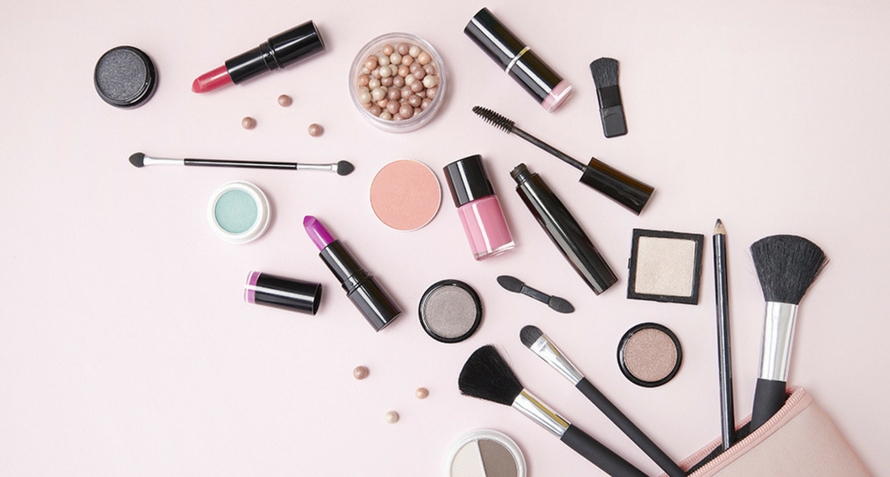
Are you searching for the Top 10 Cosmetic Manufacturers In World? If yes, then join with us. The general public's awareness of skincare, makeup, and personal hygiene has grown dramatically. Customers around the world are becoming more aware of the benefits of using cosmetics to maintain healthy skin and enhance their appearance. The appearance of social media platforms has significantly shaped consumer behavior and beauty trends. Celebrities, makeup artists, and beauty influencers frequently highlight and market cosmetic products, creating trends and stimulating demand among their fan base. So, join this blog, here you will get all the information regarding the Top 10 Cosmetic Manufacturers in the World.
Beyond this, there has been a rise in the global contract manufacturing sector (OEM/ODM) within the cosmetics sector, with estimates putting the global value of this market at approximately US$73 billion in 2025 and projected to grow to US$126 billion by 2033, predicted to be driven primarily by the emergence of Indie Brands, Private Label Products and demand for Clean Customised Beauty Products.
As the top global cosmetic company, L'Oréal has an amazing assortment of well-known products, including famous drugstore brands (Ç; Garnier) and luxury brands (Ç; Lancôme). By investing over €1 billion each year into research and development, they have become leaders in "green science" and continue to create new ways to produce health and beauty products that will have minimal impact on the environment, from sustainable sourcing of ingredients to more environmentally friendly manufacturing processes. With manufacturing facilities located on every continent, they dominate the worldwide movement to provide refillable containers and utilise AI for personalised skin care products.
Vive Cosmetics offers its clients the best custom formulation services. If you are thinking about going into the custom skincare product business, you must be associated with Vive Cosmetics. They are a team of knowledgeable medical experts and specialists who are constantly striving to create cosmetics products that satisfy your needs. By tailoring the production process to their customers' requirements, they can provide a vast range of products. Furthermore, Vive Cosmetics will create a product based on your line that shares the same attributes as their line of items. If you would like your products customized, therefore, contact them immediately rather than selecting from their selection.
It is a Derma PCD Franchise Business that is Assured by ISO 9001:2015. The manufacturing facility has been verified by the WHO, and the company offers a wide variety of skin and hair care products. Similarly, the company employs a group of highly skilled and knowledgeable dermatology specialists. You can select Scot Derma if you're looking for a list of the best cosmetic companies that also provide Derma Professional Office.
Maybelline, one of India's most popular cosmetic brands, was founded in New York in 1915. It began its activities in India in 1998. The brand's enormous popularity in India can be attributed to its exclusivity at reasonable prices. Maybelline cosmetics and beauty products are the norm for Indian consumers. The brand's best-selling items include lipsticks, eye makeup, foundations, and color palettes. Maybelline is one of the most well-known cosmetics brands in the Indian market, having been around for more than a century.
One of the most popular makeup brands in India is The Body Shop. It is a cruelty-free product company that does not use any animal testing. It produces products for the body care and cosmetics sectors. Its luxury selection is perfect for both personal use and giving as gifts to close ones, and its gift wrapping ensures that your presents will look their best! The Body Shop was a fair trade pioneer in the cosmetics industry when it introduced Community Trade in 1987. Today, the business helps the local community by sourcing the best raw materials and traditional skills from around the globe. Its suppliers are located in over 20 countries.
Avon is an American company that was founded in 1886. The company is well-known for its direct sales strategy, which lets representatives approach customers directly and promote Avon products. Avon's success can be attributed to both its strong emphasis on developing relationships with customers and its ability to produce high-quality, reasonably priced products that appeal to a diverse range of consumers.
Mary Kay is an additional American company that markets its products through direct sales. Because they are made to support healthy, beautiful skin, the brand is especially well-known for its skincare and makeup lines. Due to Mary Kay's dedication to R&D, attention to customer relations, and capacity to develop cutting-edge products that satisfy consumers' needs, the company has been successful.
Unilever is an additional global corporation that manufactures an extensive array of consumer products, encompassing cosmetics and personal hygiene items. Brands like Dove, Axe, and TRESemme are part of the company's beauty division. The secret to Unilever's success is its commitment to sustainability and moral business conduct, combined with its inventiveness and capacity to develop goods that satisfy changing consumer demands.
Global healthcare massive Johnson & Johnson produces a wide range of goods, including cosmetics and personal hygiene items. Names like Avon, Clean & Clear, and Neutrogena are among the popular makeup brands it carries.
American makeup brand Revlon was established in 1932. Skincare, makeup, and fragrances are among the products offered by the company. Revlon is the owner of several brands, such as Elizabeth Arden, Almay, and Revlon.
Ultimately, you get to decide who you will oversee. Nevertheless, it made the decision to keep purchasing beauty care items from a reputable supplier of cosmetics. If you're thinking about seeking a career in this field, you might want to check out one of the Top 10 Cosmetic Manufacturers in the World.
Many inexpensive and high-quality products that are developed in the same research facility for their research and development will use a “base” formula, so the difference is really in how concentrated the active ingredients are, how refined the scent is, and if they use a more advanced delivery system to help the product enter the skin more thoroughly. Think of it in terms of a basic car and a luxury car — they both have the same basic engine design, but the trim and performance tuning are where the differences lie.
Not anymore. Although European laboratories have a reputation for having very strict safety regulations, some areas in Asia (specifically Japan and Korea) are now regarded as the global leaders in the field of sun protection technology and offer innovative textures such as water creams and glass skin serums. By 2026, "made in Asia" will frequently denote a more advanced technological formulation, whilst "made in Europe" will signify heritage and proven effective results through clinical trials.
The term "clean" has moved out of being just a marketing philosophy to being a reality in today's manufacturing. Worldwide production plants are now tracking what they call Restricted Substance Lists that extend past any legal requirements imposed by government, voluntarily removing thousands of chemical applications like some parabens, phthalates, and sulphates from all manufactured items. "Biodegradable Formulas" that will not harm the ocean after you rinse them off your facial skin are expected to be the next big thing, possibly in some cases as soon as 2026.
Manufacturers will conduct "Stability Testing" so that all products can endure the rigours of global shipping, including the effects of unpredictable temperature ranges. This process involves placing several samples into both an "oven" (high temperature) and a "freezer" (low temperature) for many months, effectively simulating years of travel. In addition to doing "stability testing," manufacturers will also incorporate advanced Preservative Systems (such as airless pump packaging), which prevent contamination by allowing no air to enter the bottle with each dispensation. This protects the product while it travels from the point of manufacture to your vanity.
Manufacturers are turning away from "single-use" plastic to "Circular Packaging" as a response to changes in global production lines and, therefore, would be creating a more substantial and visually appealing outer jar with an environmentally friendly, lightweight reusable inner pod. This shift is reported to reduce waste by up to 70% through the manufacture of a heavy but aesthetically pleasing main container, compared to traditional plastics. As is evident by increases in global taxes on the environment, as well as increased consumer demand for luxury items without causing environmental harm (eco-harm).
To be verified as clinically tested, a product must be tested in a recognized Third-Party Laboratory and perform a "Repeat Insult Patch Test" (RIPT) with human test subjects. If you request one, internationally based manufacturers should provide you with a "Certificate of Analysis". By 2026, many brands are expected to provide QR codes leading to their clinical trials on the inside of the outer box so that you may see how the product performed on various skin types prior to making a purchase.



 call us: 9815878630
 Get Cosmetic Third Party